
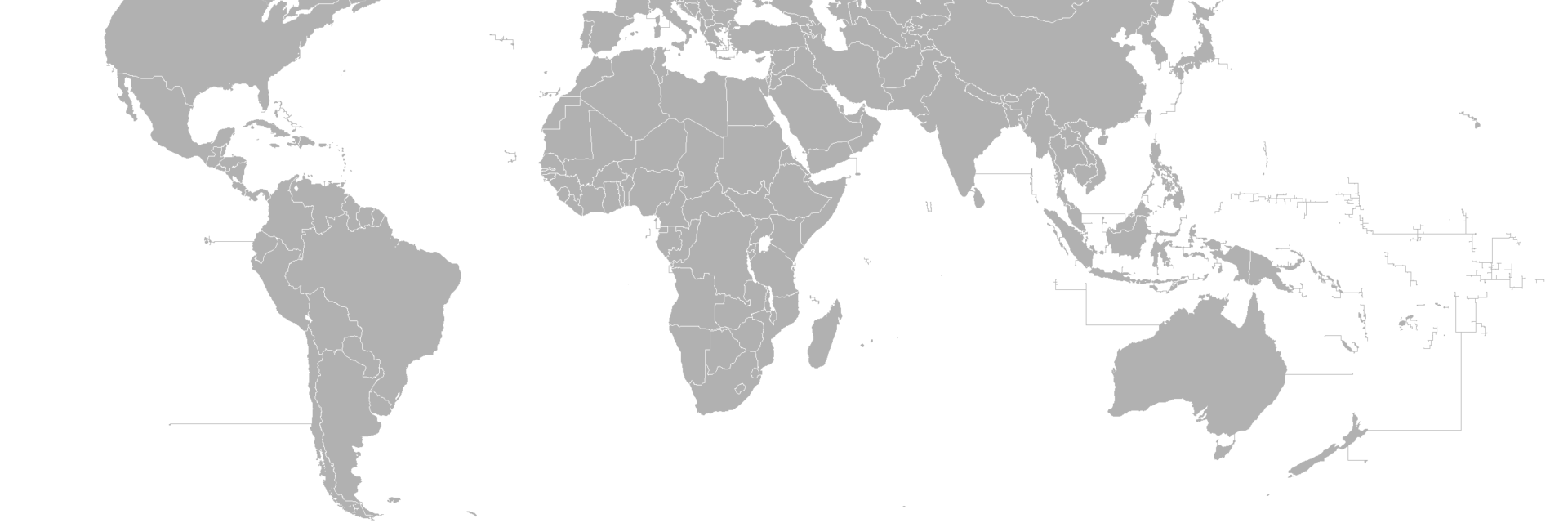
Exploring the role of culture in shaping gambling perceptions worldwide
The Influence of Cultural Norms on Gambling Attitudes
Cultural norms play a significant role in shaping individuals’ attitudes towards gambling. In societies where gambling is viewed as a social activity, such as in parts of Europe and Asia, participation rates tend to be higher. These norms encourage communal experiences, where people gather for games, thus reducing the stigma associated with gambling. In contrast, cultures that emphasize personal responsibility and conservative values may perceive gambling as a vice, leading to negative attitudes and potential legal restrictions. Many players are now exploring options online, like Description here, which offers a more accessible form of entertainment.

In cultures with strong religious beliefs, gambling often faces harsh criticism. For instance, Islamic countries typically regard gambling as haram, which deeply influences public perception. This disapproval shapes not only individual choices but also the legal landscape surrounding gambling. On the other hand, regions like Las Vegas or Macau, where gambling is integrated into the entertainment sector, reflect a more accepting attitude that enhances the industry’s growth. Such disparities highlight how cultural values directly impact gambling behaviors and perceptions.
The generational divide within cultures also affects gambling perceptions. Younger generations, often more exposed to globalized media and online platforms, may adopt a more liberal view towards gambling. In contrast, older generations may cling to traditional beliefs, seeing gambling as a potential downfall. This intergenerational contrast results in varying participation levels and acceptance of gambling, indicating that culture is not static but evolves over time, influenced by various factors such as technology and societal changes.
The Role of Legal Frameworks and Cultural Context
Legal frameworks surrounding gambling are often a direct reflection of cultural attitudes. In countries like the United Kingdom, where regulations are relatively lenient, gambling is integrated into society as a form of entertainment. The robust legal framework not only protects consumers but also promotes responsible gaming, highlighting the cultural acceptance of gambling. Conversely, countries with strict laws against gambling demonstrate a cultural perspective that prioritizes caution over enjoyment, resulting in underground gambling activities.
Cultural context influences how laws are enforced. In some regions, gambling laws are not strictly observed, creating a gray area where illegal gambling thrives despite cultural disapproval. For example, in many Latin American countries, the presence of informal gambling indicates a dichotomy between legal restrictions and cultural practices. This dynamic illustrates how cultural views can undermine legal efforts, challenging authorities and creating a need for revised policies that align more closely with societal attitudes.
The interaction between legal frameworks and cultural beliefs can also determine the growth of the gambling industry. Countries that successfully navigate the balance of regulation and cultural acceptance often experience economic benefits from gambling tourism. For instance, nations that embrace online gambling have witnessed a surge in revenue and player participation. Such outcomes further encourage a culture that embraces gambling, creating a feedback loop that reinforces both legal support and societal acceptance.
The Impact of Media Representation on Gambling Perception
Media representation significantly shapes public perceptions of gambling. Television shows, movies, and online content often glamorize gambling, portraying it as an exciting and glamorous activity. This portrayal influences societal attitudes, especially among younger audiences who may see gambling as a path to wealth and fame. Such representations can lead to increased participation rates, as individuals may be drawn to the thrill without fully understanding the risks involved.
Moreover, social media plays a crucial role in shaping contemporary gambling perceptions. Platforms like Instagram and YouTube feature influencers who promote online gambling experiences, further normalizing the activity. However, this can create a misleading narrative, as these promotions often omit the potential downsides of gambling, such as addiction and financial loss. The selective portrayal of gambling in the media ultimately affects how society views this pastime, contributing to either acceptance or criticism.
In contrast, negative media coverage can adversely influence public perception. Stories highlighting gambling addiction, fraud, and financial ruin can foster a sense of fear and skepticism. This duality in media representation emphasizes the need for responsible portrayal in entertainment, allowing audiences to view gambling through a balanced lens that includes both excitement and caution. Ultimately, media serves as both a mirror and a mold for cultural attitudes towards gambling.
Comparative Analysis of Online and Offline Gambling Perceptions
The rise of online gambling has transformed cultural perceptions significantly. Online platforms provide easy access to gambling, attracting a demographic that may have previously been hesitant to engage in traditional casino environments. The convenience of playing from home has led to a perception that gambling is a casual and acceptable form of entertainment, bridging the gap between everyday activities and the thrill of betting.
However, online gambling also poses unique challenges to cultural perceptions. Issues such as privacy and anonymity can foster irresponsible behavior, leading to a lack of accountability. In cultures where communal gambling is favored, the solitary nature of online gambling may diminish the social aspect, causing potential harm to the community’s values. The contrast between online and offline experiences highlights the need for cultural adaptation as technology evolves and new gambling forms emerge.
As more individuals embrace online gambling, the challenge lies in maintaining responsible gaming practices while still promoting the excitement of the experience. Cultural perceptions must adapt to this new landscape, encouraging conversations about the importance of regulation, awareness, and education. This adaptation is crucial to ensuring that online gambling is viewed as a responsible activity rather than a harmful addiction, fostering a balanced understanding within society.

Discovering Gaming Experiences at This Is Vegas Casino
This Is Vegas Casino represents a fusion of cultural acceptance and modern gambling practices, bringing the excitement of Las Vegas directly to players. With a diverse selection of online gaming options, it caters to various player preferences while ensuring a safe and engaging environment. This platform illustrates how cultural perceptions can evolve alongside technological advancements, creating a unique online gambling experience.
Players at This Is Vegas Casino benefit from user-friendly interfaces and secure payment methods, aligning with contemporary expectations for online gaming. The casino also prioritizes player safety, highlighting the importance of responsible gambling within the cultural context. By offering exclusive promotions and tailored experiences, it fosters a community that embraces the thrill of gambling while promoting responsible behavior.
As the landscape of gambling continues to evolve, platforms like This Is Vegas Casino demonstrate how culture shapes perceptions and experiences. By combining entertainment with a commitment to player satisfaction, the casino reflects a broader cultural acceptance of gambling, paving the way for future innovations in the industry. Ultimately, it serves as a prime example of how cultural perceptions can inform and enhance modern gaming experiences.